Check your credit score to unlock a world of financial opportunities and stability. Understanding the components, methods, and impact of your credit score is crucial for your financial well-being.
Importance of Checking Your Credit Score
Regularly checking your credit score is crucial for maintaining financial health and stability. Your credit score is a reflection of your creditworthiness and can impact various aspects of your financial life.





Impact of a Good Credit Score on Financial Opportunities
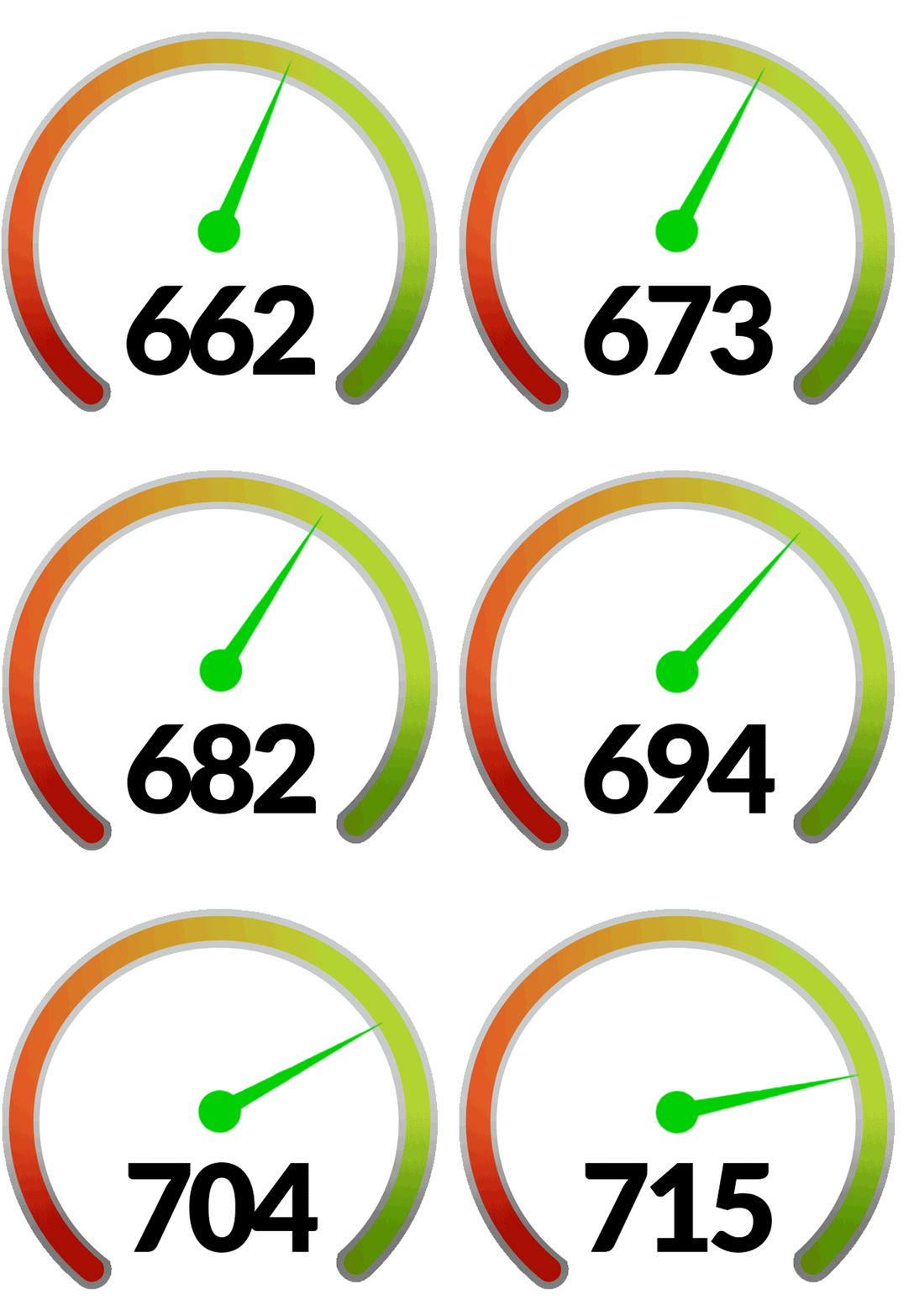
- A good credit score opens up a world of financial opportunities, such as lower interest rates on loans and credit cards.
- With a high credit score, you may be eligible for better terms on mortgages, car loans, and other forms of credit.
- Lenders and financial institutions view individuals with good credit scores as less risky, making it easier to secure financing.
How a Poor Credit Score Can Affect Your Ability to Get Loans or Credit Cards
- A poor credit score can limit your access to credit and loans, or result in higher interest rates and less favorable terms.
- It may be challenging to qualify for a mortgage, auto loan, or credit card with a low credit score, leading to missed opportunities.
- Some landlords and employers also check credit scores as part of their screening process, potentially impacting your housing and job prospects.
Understanding Credit Score Components
Having a comprehensive understanding of the key components that influence your credit score is essential for managing your financial health.
Payment History
- A crucial component of your credit score, payment history reflects whether you have paid your bills on time.
- Missed or late payments can significantly lower your score and indicate potential financial risk to lenders.
- Consistently making on-time payments demonstrates reliability and responsibility, positively impacting your creditworthiness.
Credit Utilization
- Credit utilization ratio measures the amount of credit you are using compared to your total available credit limits.
- High credit utilization can signal financial distress and may lower your credit score.
- Maintaining a low credit utilization ratio shows responsible credit management and can improve your credit score.
Length of Credit History
- The length of time you have held credit accounts influences your credit score.
- Longer credit history can demonstrate stability and experience in managing credit responsibly.
- Opening new credit accounts may temporarily lower the average age of your accounts, affecting your score.
Credit Mix
- Having a diverse mix of credit accounts, such as credit cards, loans, and mortgages, can positively impact your credit score.
- Showing the ability to manage various types of credit responsibly can enhance your creditworthiness.
- Avoiding over-reliance on a single type of credit can lead to a more favorable credit mix and potentially improve your score.
New Credit
- Opening multiple new credit accounts within a short period can raise concerns about financial instability.
- New credit applications and inquiries may indicate potential financial stress and could lower your credit score.
- Being strategic and deliberate about applying for new credit can help minimize negative impacts on your credit score.
Methods to Check Your Credit Score
Checking your credit score is an important step in managing your financial health. There are several methods available to access your credit score, each with its own set of advantages and disadvantages.
Online Platforms
- Pros: Convenient and easy access to your credit score anytime, anywhere.
- Cons: Some online platforms may not provide the most up-to-date or accurate information.
Credit Bureaus
- Pros: Direct access to your credit score from the source.
- Cons: Some credit bureaus may charge a fee for accessing your credit score.
Credit Card Statements
- Pros: Some credit card companies provide your credit score for free on monthly statements.
- Cons: The frequency of updates may vary, and not all credit card companies offer this service.
Comparing Free vs. Paid Options
When it comes to checking your credit score, you have the option to use free services or opt for paid options. Free credit score services may offer limited information or updates, while paid options may provide more detailed reports and monitoring services.
Step-by-Step Guide to Checking Your Credit Score
- Sign up for an account on a reputable online platform or credit bureau website.
- Verify your identity and provide any necessary information to access your credit score.
- Review your credit score and any accompanying reports for accuracy and potential errors.
- Monitor your credit score regularly to track any changes or discrepancies.
Frequency of Checking Your Credit Score
Regularly monitoring your credit score is crucial in maintaining financial health and ensuring accuracy in your credit report. By staying proactive and checking your credit score frequently, you can identify any discrepancies or potential issues early on. This can help you take necessary steps to address any problems and improve your creditworthiness.
Recommended Frequency for Checking Your Credit Score
- It is advisable to check your credit score at least once a month to stay informed about any changes or updates.
- Additionally, it is essential to review your credit report from all three major credit bureaus – Equifax, Experian, and TransUnion – to ensure accuracy across all platforms.
Benefits of Regularly Monitoring Your Credit Score
- Early detection of identity theft or fraudulent activities.
- Ability to address errors or discrepancies promptly.
- Opportunity to track your financial progress and make improvements.
Tips for Staying Proactive in Monitoring Changes
- Set up credit score alerts or notifications through credit monitoring services or your financial institution.
- Review your credit report in detail to spot any unfamiliar accounts or transactions.
- Utilize free annual credit reports to monitor your credit history and ensure accuracy.
Interpreting Your Credit Score
Understanding the implications of your credit score is crucial in managing your financial health. Different credit score ranges can have varying effects on your ability to secure loans, interest rates, and overall financial well-being.
Credit Score Ranges
Here is a breakdown of the typical credit score ranges:
- Excellent (800-850): Individuals in this range have a very high credit score, indicating a history of responsible credit management.
- Good (670-799): Falling in this range suggests a solid credit history with good chances of loan approval.
- Fair (580-669): This range may indicate some financial struggles or missed payments, resulting in higher interest rates.
- Poor (300-579): Individuals in this range may find it challenging to secure loans or credit cards due to a history of defaults or bankruptcy.
Lender Perception
Lenders view credit scores within these ranges differently:
- Lenders are more likely to offer favorable terms, lower interest rates, and higher credit limits to individuals with excellent or good credit scores.
- Those with fair credit scores may face stricter lending criteria, higher interest rates, or require a co-signer for loans.
- Individuals with poor credit scores may struggle to obtain credit, and if approved, may face very high interest rates or unfavorable terms.
Actions Based on Credit Score
Based on your credit score range, here are actions you can consider:
- Excellent: Maintain your good credit habits and take advantage of the best loan offers available.
- Good: Continue managing your credit responsibly to improve your score further and qualify for better terms.
- Fair: Work on paying bills on time, reducing debt, and improving your credit utilization ratio to move into a higher range.
- Poor: Focus on rebuilding your credit by making timely payments, reducing debt, and seeking credit repair options.
Impact of Errors on Your Credit Score
Errors on your credit report can have a significant negative impact on your credit score, affecting your ability to access credit, loans, or favorable interest rates. It is crucial to identify and rectify these errors promptly to maintain an accurate credit score.
Common Credit Report Errors and Consequences
- Incorrect Personal Information: Errors in your name, address, or social security number can lead to misidentification and confusion, potentially resulting in accounts being inaccurately linked to your credit report.
- Account Inaccuracies: Incorrect reporting of account balances, payment history, or credit limits can skew your credit utilization ratio and overall creditworthiness.
- Fraudulent Activity: Identity theft or fraudulent accounts opened in your name can severely damage your credit score if left unaddressed.
Disputing and Correcting Errors
It is essential to regularly review your credit report for any discrepancies and take prompt action to dispute and correct errors. This can involve contacting the credit bureaus or the specific creditor reporting the inaccuracies to provide evidence and documentation supporting your claim.
Improving Your Credit Score
Improving your credit score is crucial for better financial health and access to favorable terms on loans and credit cards. Here are some strategies to help you boost your credit score:
Pay Your Bills on Time
- Set up automatic payments to ensure you never miss a due date.
- Consider using calendar reminders or alerts to stay on track with payments.
Reduce Your Credit Utilization Ratio
- Try to keep your credit card balances below 30% of your available credit limit.
- Avoid maxing out your credit cards, as this can negatively impact your score.
Check Your Credit Report Regularly
- Look for any errors or inaccuracies on your credit report and dispute them promptly.
- Monitoring your credit report can help you identify areas for improvement.
Limit New Credit Applications
- Applying for multiple new credit accounts within a short period can lower your score.
- Be selective about the credit accounts you apply for to avoid unnecessary inquiries.
Build a Positive Credit History
- Keep old accounts open to maintain a longer credit history.
- Use credit responsibly by making timely payments and keeping balances low.
Timeline for Improvements
Improving your credit score is a gradual process that can take several months to see significant changes. By consistently following good credit habits, you can expect to see improvements in your score over time.
Maintaining a Good Credit Score
Once you have improved your credit score, it’s essential to continue practicing healthy credit habits to maintain your progress. Remember to pay your bills on time, keep your credit utilization low, and regularly monitor your credit report for any issues that may arise.
Importance of Credit Monitoring Services
Monitoring your credit is crucial in maintaining financial health and security. Credit monitoring services offer a range of benefits to help individuals safeguard their credit information and detect any suspicious activities.
Benefits of Credit Monitoring Services
- Continuous Monitoring: Credit monitoring services keep a close eye on your credit report and alert you of any changes or potential fraud.
- Early Detection: By monitoring your credit regularly, you can catch any unauthorized transactions or identity theft early on, minimizing the damage.
- Improving Credit Score: Monitoring services can provide insights on how to improve your credit score by identifying areas that need attention.
- Peace of Mind: With credit monitoring, you can have peace of mind knowing that your credit information is being watched over.
Comparison of Credit Monitoring Services
| Service Provider | Features | Pricing |
|---|---|---|
| Identity Guard | Triple-bureau credit monitoring, dark web monitoring, identity theft insurance | $19.99 – $24.99/month |
| Experian | Experian CreditWorks, identity theft protection, credit lock | $9.99 – $24.99/month |
| LifeLock | Identity Alert System, bank account monitoring, credit monitoring | $9.99 – $34.99/month |
Detecting Identity Theft with Credit Monitoring Services
Credit monitoring services can help detect identity theft by monitoring for any unusual or unauthorized activities on your credit report. If there are any suspicious changes, such as new accounts opened in your name or sudden drops in your credit score, you will be alerted promptly. This early detection can prevent further damage and help you take immediate action to protect your credit.
Effects of Credit Inquiries on Your Credit Score
When applying for credit, lenders may perform credit inquiries to assess your creditworthiness. It is important to understand the impact of these inquiries on your credit score.
Credit inquiries can be categorized into two types: hard inquiries and soft inquiries.
Hard Credit Inquiries
Hard credit inquiries occur when you apply for credit, such as a loan or credit card. These inquiries are visible to lenders and may have a negative impact on your credit score. Each hard inquiry can typically lower your credit score by a few points.
Soft Credit Inquiries
Soft credit inquiries are inquiries that do not result from a credit application. They may occur when a lender pre-approves you for a credit offer or when you check your own credit score. Soft inquiries do not affect your credit score.
Tips to Minimize Negative Effects of Credit Inquiries
– Limit the number of hard inquiries by only applying for credit when necessary.
– Try to consolidate loan applications within a short period, as multiple inquiries for the same type of credit within a short timeframe may be treated as a single inquiry.
– Monitor your credit report regularly to ensure accuracy and detect any unauthorized inquiries.
Setting Financial Goals Based on Your Credit Score
Having a good credit score is crucial for achieving your financial goals. Your credit score can influence your ability to secure loans, credit cards, and favorable interest rates. It also reflects your financial responsibility and can impact your overall financial health. Here are some ways to set financial goals based on your credit score:
Financial Goals Based on Your Credit Score
- Improving your credit score: If your credit score is currently low, a key financial goal would be to work on improving it. This can involve paying off debts, making timely payments, and managing your credit utilization effectively.
- Qualifying for a mortgage: A good credit score is essential when applying for a mortgage. By setting a goal to achieve a specific credit score range, you can increase your chances of being approved for a mortgage with favorable terms.
- Securing a low-interest rate credit card: With a good credit score, you may be eligible for credit cards with low interest rates and attractive rewards. Setting a goal to qualify for such cards can help you save money on interest charges.
Setting Realistic Financial Milestones
- Review your credit report regularly: Monitoring your credit report can help you track your progress and identify areas for improvement. Set a goal to review your credit report at least once a year to ensure accuracy and address any discrepancies.
- Reducing debt: Setting a goal to reduce your overall debt can positively impact your credit score. Create a plan to pay off high-interest debts first and gradually work towards becoming debt-free.
- Building an emergency fund: Saving for emergencies can prevent you from relying on credit in times of financial need. Set a realistic goal to build an emergency fund that can cover at least three to six months’ worth of expenses.
Epilogue
In conclusion, monitoring and improving your credit score is essential for a healthy financial future. By taking proactive steps and staying informed, you can pave the way towards achieving your financial goals.

Hi, I’m Lauren. As a digital enthusiast and storyteller, I love breaking down complex ideas into easy-to-read articles. My goal is to provide readers with fresh perspectives and helpful solutions through every piece I write.