Starting with credit builder, this financial tool is essential for anyone looking to establish or improve their credit history, paving the way for better financial opportunities.
As we delve deeper, you’ll uncover the intricacies of credit builder programs, types available, eligibility criteria, tips for building credit effectively, risks to consider, monitoring progress, alternatives, and inspiring success stories.






Introduction to Credit Builder
A credit builder is a financial product or service designed to help individuals establish or improve their credit scores. It is especially beneficial for those with limited or poor credit history.
The purpose of a credit builder is to provide individuals with a structured way to demonstrate responsible credit usage over time. By making on-time payments and managing credit accounts wisely, individuals can gradually build a positive credit history.
The Importance of Building Credit
- Building credit is essential for obtaining loans, mortgages, and credit cards at favorable interest rates.
- A good credit score can also impact other aspects of life, such as securing rental housing, getting approved for utility services, and even landing a job.
- Establishing a solid credit history early on can pave the way for future financial opportunities and stability.
How Credit Builders Work
Credit builders are programs designed to help individuals establish or improve their credit scores. These programs typically involve taking out a small loan or opening a secured credit card to build a positive credit history.
Process of Using a Credit Builder
- Apply for a credit builder program: Start by applying for a credit builder program with a financial institution or credit union.
- Secure a small loan or credit card: Once approved, you will receive a small loan amount or a secured credit card to start building credit.
- Make timely payments: It is crucial to make on-time payments each month to demonstrate responsible credit behavior.
- Monitor your progress: Keep track of your credit score and credit report to see improvements over time.
Benefits of Using a Credit Builder
- Establish credit history: Credit builders provide an opportunity for individuals with no credit history to start building credit.
- Improve credit score: By making timely payments and managing credit responsibly, users can improve their credit scores over time.
- Access to better credit products: A positive credit history can lead to better loan terms, lower interest rates, and higher credit limits in the future.
- Financial education: Credit builder programs often offer financial literacy resources to help users understand credit and personal finance better.
Types of Credit Builders
When it comes to credit builder programs, there are various types available to help individuals establish or improve their credit history. Let’s explore some of the common options below.
Secured Credit Cards
Secured credit cards are a popular choice for individuals looking to build or rebuild their credit. These cards require a security deposit, typically equal to the credit limit, which serves as collateral in case the cardholder defaults on payments. Secured credit cards function similarly to traditional credit cards, allowing cardholders to make purchases and build credit by making timely payments.
Credit Builder Loans
Credit builder loans are another option for individuals looking to establish credit. These loans are specifically designed to help borrowers build credit history by making regular, on-time payments. Unlike traditional loans where the funds are provided upfront, credit builder loans typically hold the borrowed funds in a savings account or certificate of deposit (CD) until the loan is fully repaid. Once the loan is paid off, the borrower receives the funds along with a positive credit history.
Credit Builder Accounts
Credit builder accounts are specialized savings accounts offered by some financial institutions to help individuals improve their credit scores. These accounts work by allowing individuals to make regular deposits into a savings or CD account, which is then reported to the credit bureaus to demonstrate responsible financial behavior. Over time, consistent saving and on-time payments can help individuals establish a positive credit history and improve their credit score.
Eligibility and Requirements
To be eligible for a credit builder program, individuals typically need to meet certain criteria set by the financial institution offering the program. These criteria may vary depending on the specific program, but some common requirements include having a source of income, being of legal age, and having a valid identification.
Documents Required for Application
- Government-issued ID: A driver’s license, passport, or state ID is usually required to verify your identity.
- Social Security Number: This is needed for credit reporting purposes and to establish your credit history.
- Proof of Income: Bank statements, pay stubs, or tax returns may be requested to demonstrate your ability to make payments.
- Proof of Address: Utility bills, lease agreements, or other documents showing your current address may be needed.
Impact of Credit Scores on Eligibility
Your credit score plays a significant role in determining your eligibility for a credit builder program. A higher credit score typically indicates responsible credit usage and makes you a more attractive candidate for these programs. On the other hand, individuals with lower credit scores or no credit history may still be eligible for certain credit builders specifically designed for building or rebuilding credit.
Building Credit History
Building a strong credit history is essential for financial stability and future opportunities. Here are some tips on how to effectively build credit using a credit builder:
Role of Timely Payments
- Make sure to pay your credit builder loan or credit card on time every month.
- Timely payments demonstrate responsible financial behavior to credit bureaus.
- Consistent on-time payments can help improve your credit score over time.
Credit Utilization and Credit Scores
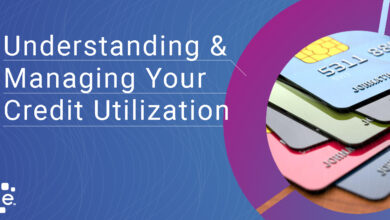
- Credit utilization refers to the percentage of your available credit that you are using.
- Keeping your credit utilization low, ideally below 30%, can positively impact your credit score.
- High credit utilization can signal financial distress and may lower your credit score.
- Regularly monitoring and managing your credit utilization can help maintain a healthy credit score.
Risks and Considerations
When considering credit builder programs, it is important to be aware of the potential risks involved and carefully consider the terms and conditions before committing to any agreements. Understanding how missed payments can impact your credit score is crucial for making informed decisions about participating in a credit builder program.
Potential Risks Associated with Credit Builder Programs
- High interest rates: Some credit builder programs may come with high interest rates, which could result in you paying more in the long run.
- Hidden fees: Be sure to carefully review the terms and conditions to understand any hidden fees that may be associated with the program.
- Limited impact on credit score: While credit builder programs can help establish a positive credit history, the impact on your credit score may be limited.
Importance of Reading the Terms and Conditions Carefully
Before enrolling in a credit builder program, it is essential to read and understand the terms and conditions thoroughly. This will help you avoid any surprises and ensure that you are aware of all the costs and requirements associated with the program.
Impact of Missed Payments on Credit Scores
-
Missed payments can have a significant negative impact on your credit score, leading to potential credit score decreases and making it harder to qualify for loans or credit cards in the future.
- It is crucial to make all payments on time and in full to avoid damaging your credit history and score.
Monitoring Progress
Monitoring your credit progress while using a credit builder is crucial to understanding how your financial habits impact your credit score. By keeping track of improvements and changes in your credit profile, you can make informed decisions to further enhance your creditworthiness.
Tracking Improvements in Credit Scores
- Regularly check your credit score: Utilize free credit monitoring services or check your credit score through your financial institution to track any fluctuations.
- Review credit reports: Monitor your credit reports from all three major credit bureaus – Equifax, Experian, and TransUnion – to ensure accuracy and identify any errors that may be impacting your score.
- Monitor credit utilization: Keep an eye on your credit utilization ratio, aiming to keep it below 30% to demonstrate responsible credit usage.
Significance of Regular Credit Report Checks
Regularly checking your credit report is essential for spotting any discrepancies or fraudulent activities that could negatively impact your credit score. By staying vigilant and reviewing your credit report frequently, you can address any issues promptly and maintain a healthy credit profile.
Alternatives to Credit Builders
While credit builder programs can be effective in building credit, there are alternative ways to establish a positive credit history. These alternatives may offer different benefits and drawbacks compared to credit builder programs.
Secured Credit Cards
Secured credit cards are a popular alternative to credit builder programs. With a secured credit card, you provide a security deposit as collateral, which then becomes your credit limit. Using a secured credit card responsibly can help you build credit over time.
Cosigned Loans
Another option is to obtain a cosigned loan with a family member or friend who has good credit. By having a cosigner, you may be able to qualify for a loan or credit card that you wouldn’t be eligible for on your own. However, it’s important to make timely payments to avoid damaging your cosigner’s credit.
Authorized User Status
Becoming an authorized user on someone else’s credit card account can also help you build credit. The primary account holder’s payment history and credit utilization will reflect on your credit report. This can be a useful strategy, but it’s essential to choose a responsible account holder.
Retail Store Credit Cards
Applying for a retail store credit card can be a way to start building credit. These cards are typically easier to qualify for than traditional credit cards. However, be cautious of high interest rates and limited usability compared to other credit cards.
Success Stories and Testimonials
Reading success stories and testimonials from individuals who have experienced the benefits of credit builder programs can provide valuable insights into how these programs can help improve financial health.
Success Story 1: John’s Journey to Better Credit
- John had a low credit score due to past financial mistakes, making it difficult for him to qualify for loans or credit cards.
- After enrolling in a credit builder program, John diligently made on-time payments and gradually saw his credit score improve.
- With his improved credit score, John was able to secure a car loan at a lower interest rate, saving him money in the long run.
Testimonial 1: Sarah’s Success with Credit Builders
- “I never thought I could improve my credit score, but thanks to a credit builder program, I was able to see positive changes in just a few months.”
- “Now, I have access to better financial products and feel more confident about my financial future.”
Real-Life Example: Emily’s Financial Goals Achieved
- Emily used a credit builder program to establish a positive credit history after facing challenges with her credit in the past.
- By diligently managing her payments and credit utilization, Emily was able to qualify for a mortgage and purchase her dream home.
- Through the help of a credit builder, Emily achieved her long-term financial goal and secured a stable future for herself and her family.
Final Wrap-Up
In conclusion, credit builders play a crucial role in shaping one’s financial future by laying a solid credit foundation. By understanding the nuances and leveraging the benefits, individuals can embark on a journey towards financial stability and growth.

Hi, I’m Lauren. As a digital enthusiast and storyteller, I love breaking down complex ideas into easy-to-read articles. My goal is to provide readers with fresh perspectives and helpful solutions through every piece I write.