With credit score check at the forefront, understanding its significance opens doors to financial well-being. From loan approvals to saving money, delve into the world of credit scores for a secure financial future.
Importance of Credit Score Check
Checking your credit score is crucial for maintaining your financial health and stability. Your credit score is a reflection of your creditworthiness and financial responsibility, impacting various aspects of your life.





Consequences of Neglecting to Check Your Credit Score Regularly
- Negative impacts on loan approvals: Failing to monitor your credit score can lead to surprises when applying for loans, as lenders heavily rely on this information to assess your creditworthiness.
- Higher interest rates: A lower credit score usually results in higher interest rates on loans, costing you more money in the long run.
- Missed errors or identity theft: Without regular checks, you may miss errors on your credit report or signs of identity theft, which can have serious financial consequences.
How Credit Score Affects Loan Approvals and Interest Rates
Your credit score plays a significant role in the approval process for loans. Lenders use this score to evaluate the risk of lending you money, with lower scores indicating a higher risk. Additionally, a good credit score can lead to lower interest rates on loans, saving you money over time.
How a Good Credit Score Can Save You Money in the Long Run
- Lower interest rates: With a good credit score, you are more likely to qualify for lower interest rates on loans, reducing the overall cost of borrowing money.
- Higher credit limits: A strong credit score can result in higher credit limits, providing you with more financial flexibility and opportunities.
- Access to better financial products: A good credit score opens doors to better financial products and services, including credit cards with rewards and perks.
How to Check Your Credit Score
To stay on top of your financial health, it’s important to regularly check your credit score. Here are some ways to do so:
Online Credit Score Check
- Many financial websites and credit bureaus offer free access to your credit score online.
- Simply create an account, verify your identity, and you can view your credit score instantly.
Credit Score Apps
- There are several apps available that allow you to check your credit score on your smartphone.
- These apps provide real-time updates and insights into your credit profile.
Credit Score by Mail
- If you prefer a physical copy, you can request your credit report by mail from the major credit bureaus.
- This method may take longer, but it allows you to review your credit score offline.
Frequency of Credit Score Check
It is recommended to check your credit score at least once a year to monitor any changes or discrepancies.
Free vs. Paid Services
- Free credit score check options provide basic information about your credit score without any cost.
- Paid services offer additional features such as credit monitoring, identity theft protection, and more detailed credit reports.
Interpreting Your Credit Score Report
When reviewing your credit score report, pay attention to factors such as payment history, credit utilization, length of credit history, new credit inquiries, and credit mix.
Factors Affecting Credit Score
Understanding the key factors that influence your credit score is crucial in managing and improving your financial health.
Payment History
Your payment history plays a significant role in determining your credit score. Late payments or defaults can have a negative impact on your credit score, as they indicate a higher risk to lenders.
- Pay your bills on time to maintain a positive payment history.
- Set up automatic payments or reminders to avoid missing due dates.
Credit Utilization
Credit utilization refers to the ratio of your credit card balances to your credit limits. High credit utilization can signal financial distress and lower your credit score.
- Try to keep your credit utilization below 30% to demonstrate responsible credit management.
- Consider requesting a credit limit increase or spreading out your balances across multiple cards to lower your utilization rate.
Length of Credit History
The length of your credit history also impacts your credit score. A longer credit history can provide more data for credit agencies to assess your creditworthiness.
- Avoid closing old credit accounts, as this can shorten your credit history and potentially lower your score.
- Regularly using your credit accounts and maintaining them in good standing can help establish a positive credit history over time.
Common Misconceptions
There are some misconceptions about factors that do and don’t affect your credit score. For example, checking your own credit score does not harm it, as it is considered a soft inquiry.
- Other misconceptions include the belief that income level, age, or marital status influence your credit score, which is not true.
- It’s important to focus on the key factors mentioned above to effectively manage and improve your credit score.
Importance of Monitoring Your Credit Report
Monitoring your credit report is crucial for maintaining a healthy financial profile and protecting yourself from potential fraud or errors.
Difference Between Checking Your Credit Score and Monitoring Your Credit Report
Checking your credit score provides you with a snapshot of your credit health at a specific point in time, while monitoring your credit report involves regularly reviewing the detailed information that contributes to your credit score.
Significance of Reviewing Your Credit Report Regularly
- Identifying and correcting errors: Regularly examining your credit report allows you to catch inaccuracies such as incorrect personal information, fraudulent accounts, or incorrect payment statuses.
- Preventing identity theft: Monitoring your credit report can help you detect any unauthorized activity or accounts opened in your name, protecting you from potential identity theft.
- Maintaining a good credit score: By addressing inaccuracies promptly, you can ensure that your credit score accurately reflects your financial behavior, which is essential for obtaining favorable loan terms and interest rates.
Tips on Disputing Inaccuracies on Your Credit Report
- Obtain a copy of your credit report from all three major credit bureaus: Equifax, Experian, and TransUnion.
- Review each report carefully for any discrepancies or errors.
- Submit a dispute in writing to the credit bureau reporting the error, providing any supporting documentation to back up your claim.
- Follow up with the credit bureau to ensure the inaccuracies are investigated and corrected.
Potential Consequences of Not Monitoring Your Credit Report
Failure to monitor your credit report can lead to various negative consequences, including:
- Being unaware of fraudulent activity until it’s too late, resulting in financial losses and damage to your credit score.
- Missing out on opportunities to correct errors that could negatively impact your creditworthiness.
- Facing challenges when applying for credit or loans due to inaccuracies on your credit report.
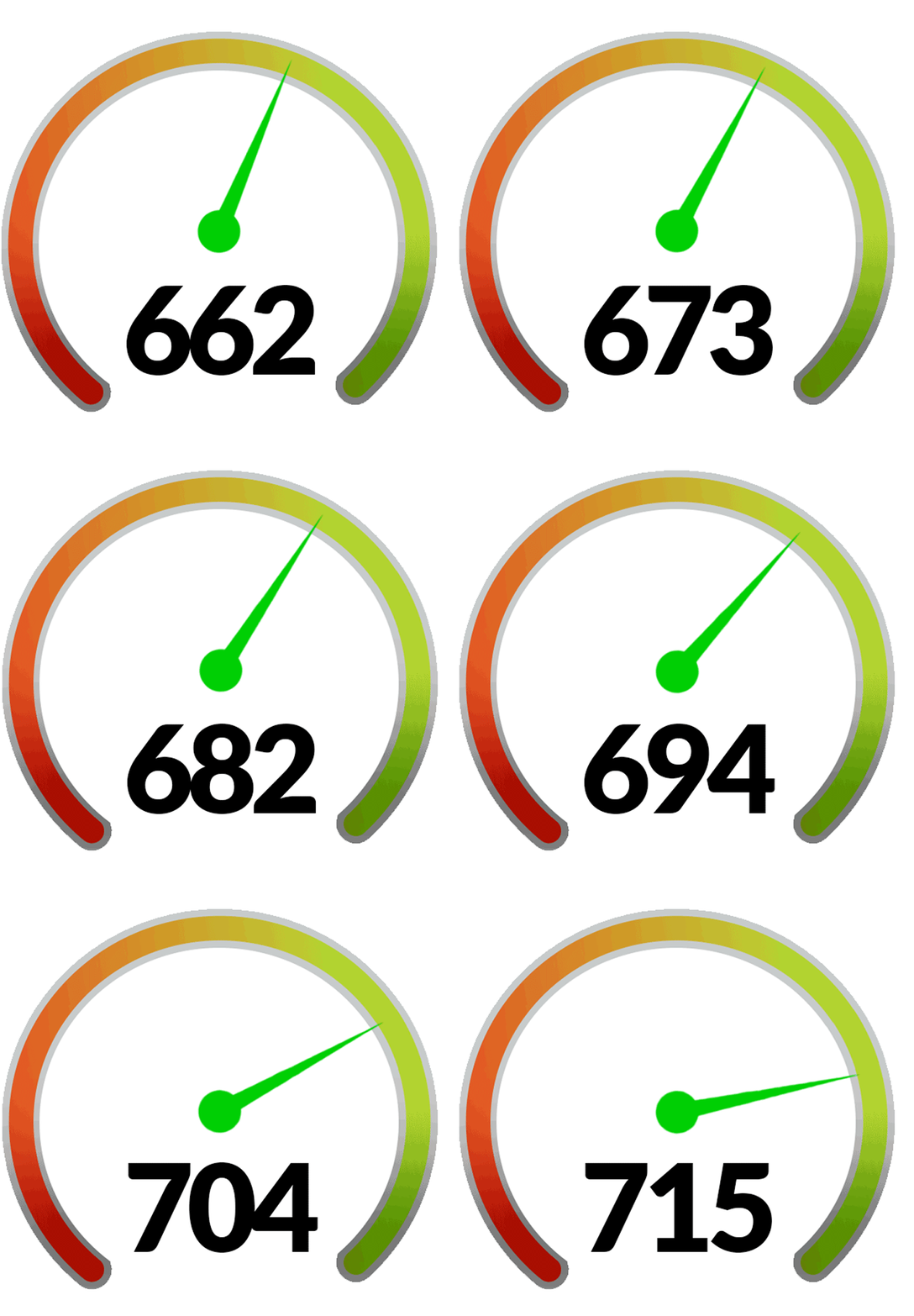
Credit Score Ranges and Their Meanings
Understanding the different credit score ranges and their implications can help individuals make informed decisions regarding their financial health.
Poor Credit Score Range
- A credit score below 580 is considered poor.
- Individuals in this range may have difficulty obtaining loans or credit cards.
- Higher interest rates and limited credit options are common for individuals with poor credit.
Fair Credit Score Range
- A credit score between 580 and 669 is classified as fair.
- While not ideal, individuals in this range may qualify for some credit options.
- Interest rates may still be higher compared to those with good or excellent credit.
Good Credit Score Range
- Credit scores between 670 and 739 fall within the good range.
- Individuals in this range are likely to qualify for better interest rates and credit options.
- Having a good credit score reflects responsible financial behavior.
Excellent Credit Score Range
- An excellent credit score is typically above 740.
- Individuals with an excellent credit score have access to the best interest rates and credit offers.
- Lenders view individuals in this range as low-risk borrowers.
Tips to Improve Your Credit Score
- Pay bills on time to avoid negative marks on your credit report.
- Reduce credit card balances to lower your credit utilization ratio.
- Regularly check your credit report for errors and dispute any inaccuracies.
- Avoid opening multiple new credit accounts in a short period of time.
- Consider using a secured credit card to build or rebuild credit.
Impact of Credit Inquiries on Credit Score
When you apply for credit, lenders may perform a credit inquiry to assess your creditworthiness. It is essential to understand the impact of these inquiries on your credit score to maintain a healthy financial profile.
Difference Between Hard and Soft Credit Inquiries
A hard credit inquiry occurs when you apply for new credit, such as a loan or credit card. It is initiated by you and can affect your credit score. On the other hand, a soft credit inquiry is usually done for background checks or pre-approved offers, does not impact your credit score, and can be initiated without your knowledge.
How Each Type of Credit Inquiry Affects Your Credit Score
Hard inquiries can lower your credit score temporarily, usually by a few points. Multiple hard inquiries within a short period can signal to lenders that you are seeking credit urgently, which may be perceived as a risk. Soft inquiries, on the other hand, do not affect your credit score as they are not related to credit applications.
Impact of Multiple Credit Inquiries Within a Short Period
Having multiple hard inquiries within a short time can have a more significant negative impact on your credit score. It may indicate financial distress or over-reliance on credit, leading to a decrease in your credit score. It is essential to be mindful of how often you apply for credit to avoid unnecessary hits to your credit score.
Strategies to Minimize the Negative Impact of Credit Inquiries
To minimize the impact of credit inquiries on your credit score, consider rate shopping for loans within a short period. Credit scoring models typically recognize rate shopping and treat multiple inquiries for the same type of credit as a single inquiry. Additionally, avoid applying for multiple credit accounts simultaneously and only apply for credit when necessary to maintain a healthy credit score.
Credit Score Check Frequency Based on Life Events
It is crucial to adjust the frequency of checking your credit score based on significant life events that can impact your financial health. These events can have a direct effect on your credit score, making it essential to monitor it more closely during such times.
Buying a House
When buying a house, your credit score plays a vital role in determining the mortgage interest rate you qualify for. A higher credit score can lead to lower interest rates, saving you money in the long run. It is advisable to check your credit score before starting the home buying process and regularly throughout to ensure it remains in good standing.
Getting Married
Getting married can also impact your credit score, especially if you and your spouse decide to open joint accounts or loans. Any financial decisions made together can affect both of your credit scores. It is recommended to check your credit score before merging finances and continue monitoring it to address any discrepancies or issues that may arise.
Starting a Business
Starting a business often involves taking out loans or lines of credit to fund the venture. This can impact your credit score, as lenders will assess your creditworthiness before approving any financing. Regularly checking your credit score can help you maintain good credit health and secure the necessary funding for your business.
Tools and Resources for Monitoring Credit Score
Monitoring your credit score is crucial for maintaining your financial health. There are several tools and websites available that can help you keep track of changes in your credit score. Let’s explore some popular options and compare their features, costs, accuracy, and ease of use to help you choose the right credit monitoring tool for your needs.
Credit Karma
Credit Karma is a free tool that provides access to your credit scores from two major credit bureaus, Equifax and TransUnion. It also offers credit monitoring alerts, credit score simulators, and personalized recommendations to improve your credit score. While it may not provide the most accurate credit score, it is a great starting point for monitoring your credit health for free.
myFICO
myFICO is a paid service that provides access to your FICO credit scores, which are used by the majority of lenders. It offers credit monitoring, identity theft protection, and detailed insights into the factors affecting your credit score. While myFICO comes at a cost, it provides accurate and up-to-date information to help you make informed financial decisions.
Experian
Experian is one of the three major credit bureaus and offers a free credit monitoring service called Experian CreditWorks. This tool provides access to your Experian credit report, FICO score, and credit monitoring alerts. While the free version has limited features, Experian also offers premium services for more comprehensive credit monitoring.
Tips for Choosing the Right Credit Monitoring Tool
– Consider your budget: If you are looking for a free option, Credit Karma or Experian CreditWorks may be suitable. For more comprehensive features, you may opt for a paid service like myFICO.
– Accuracy and reliability: Choose a tool that provides accurate credit score information from reputable sources like FICO or the major credit bureaus.
– Ease of use: Look for a tool that is user-friendly and offers easy navigation to access your credit score and monitoring alerts.
– Additional features: Consider additional features like identity theft protection, credit score simulators, and personalized recommendations when choosing a credit monitoring tool.
By selecting the right credit monitoring tool based on your needs, you can stay on top of your credit health and make informed financial decisions to improve your overall financial well-being.
Credit Score Check and Identity Theft Prevention
Regularly checking your credit score is not only important for monitoring your financial health but also plays a crucial role in preventing identity theft. By staying vigilant and reviewing your credit report frequently, you can detect any suspicious activity and take immediate action to protect your identity.
Warning Signs in Your Credit Report
When reviewing your credit report, be on the lookout for:
- Unauthorized accounts or transactions
- Inaccurate personal information
Steps to Take if You Suspect Fraudulent Activity
If you suspect identity theft or fraudulent activity in your credit report, take the following steps:
- Place a fraud alert on your credit report
- Dispute any unauthorized accounts or transactions
- File a report with the Federal Trade Commission (FTC)
- Contact your creditors and inform them of the situation
Resources for Reporting Identity Theft
For reporting identity theft and protecting your credit information, consider utilizing the following resources:
- Contact the three major credit bureaus (Equifax, Experian, TransUnion)
- File a report with the FTC through their IdentityTheft.gov website
- Consider enrolling in credit monitoring services for added protection
Future Impact of Credit Score Check Habits
Establishing good credit score check habits early on can significantly benefit your financial future. By consistently monitoring your credit score, you can track your progress, identify areas for improvement, and take proactive steps to maintain or enhance your creditworthiness. This practice can lead to better financial decisions and help you achieve your long-term financial goals.
Benefits of Consistent Credit Score Monitoring
- By actively monitoring your credit score, you can catch errors or inaccuracies early on and take steps to correct them, preventing potential negative impacts on your creditworthiness.
- Regularly checking your credit score can help you detect signs of identity theft or fraudulent activity, allowing you to take immediate action to protect your financial well-being.
- Monitoring your credit score can provide valuable insights into your financial habits and behaviors, empowering you to make informed decisions about borrowing, spending, and saving.
Correlation Between Credit Score Check Habits and Financial Well-Being
Consistent credit score monitoring is directly linked to your overall financial well-being. By staying informed about your credit standing, you can make strategic financial decisions that positively impact your financial health in the long run.
Ending Remarks
In conclusion, regular credit score checks are vital for financial stability. By monitoring your score, identifying errors, and making improvements, you pave the way for a brighter financial future. Stay informed, stay prepared.

Hi, I’m Lauren. As a digital enthusiast and storyteller, I love breaking down complex ideas into easy-to-read articles. My goal is to provide readers with fresh perspectives and helpful solutions through every piece I write.