FICO credit score is a crucial aspect of financial well-being. Dive into this informative guide to grasp the significance of your credit score and how it impacts your financial status.
Explore the factors influencing your FICO credit score, from payment history to credit utilization, and discover actionable strategies to improve your score.




Introduction to FICO Credit Score
The FICO credit score is a three-digit number that represents a person’s creditworthiness and is used by lenders to determine the risk associated with lending money to an individual. It plays a crucial role in various financial transactions, such as applying for loans, credit cards, or mortgages.
Calculation of FICO Scores
FICO scores are calculated based on five key factors:
- Payment history
- Amounts owed
- Length of credit history
- New credit
- Credit mix
Importance of Having a Good FICO Score
Having a good FICO score is essential for maintaining financial health because:
- It determines the interest rates on loans and credit cards
- It affects the ability to secure new credit
- It can impact insurance premiums and rental applications
Factors Affecting FICO Credit Score
When it comes to determining your FICO credit score, several key factors play a significant role in shaping the final number. Understanding these factors and their respective weightage can help you make informed decisions to improve your creditworthiness.
Credit Payment History
Your payment history is one of the most crucial factors in calculating your FICO credit score. It accounts for approximately 35% of your score. Making timely payments on your credit accounts, loans, and bills can positively impact your score. On the other hand, late payments, defaults, or bankruptcies can significantly lower your score.
Credit Utilization Ratio
The amount of credit you are currently using compared to the total available credit, known as the credit utilization ratio, is another important factor. This makes up about 30% of your FICO score. Keeping your credit utilization below 30% is generally recommended to maintain a healthy score. Maxing out your credit cards or carrying high balances can negatively affect your score.
Length of Credit History
The length of your credit history contributes around 15% to your FICO credit score. A longer credit history can demonstrate responsible credit management and may positively impact your score. Opening new credit accounts frequently can lower the average age of your accounts and potentially lower your score.
Credit Mix and New Credit
The types of credit accounts you have and your pursuit of new credit make up the remaining 20% of your FICO score. Having a mix of credit types, such as credit cards, installment loans, and mortgages, can be beneficial. However, applying for multiple new credit accounts within a short period can be seen as risky behavior and may lower your score.
Public Records and Collections
Negative public records such as bankruptcies, foreclosures, and accounts in collections can have a severe impact on your FICO credit score. These items can stay on your credit report for several years and significantly lower your score.
Understanding Credit Score Ranges
Understanding the different credit score ranges within the FICO scoring system is crucial for managing your financial health effectively. Each range comes with its own implications and knowing how to improve your credit score within a specific range can help you achieve your financial goals.
Excellent Credit Score (800-850)
- An excellent credit score falls within the range of 800-850, indicating a very low risk for lenders.
- Individuals with scores in this range are likely to qualify for the best interest rates and terms on loans.
- To maintain or improve an excellent credit score, continue making on-time payments, keep credit card balances low, and avoid opening too many new accounts.
Good Credit Score (670-799)
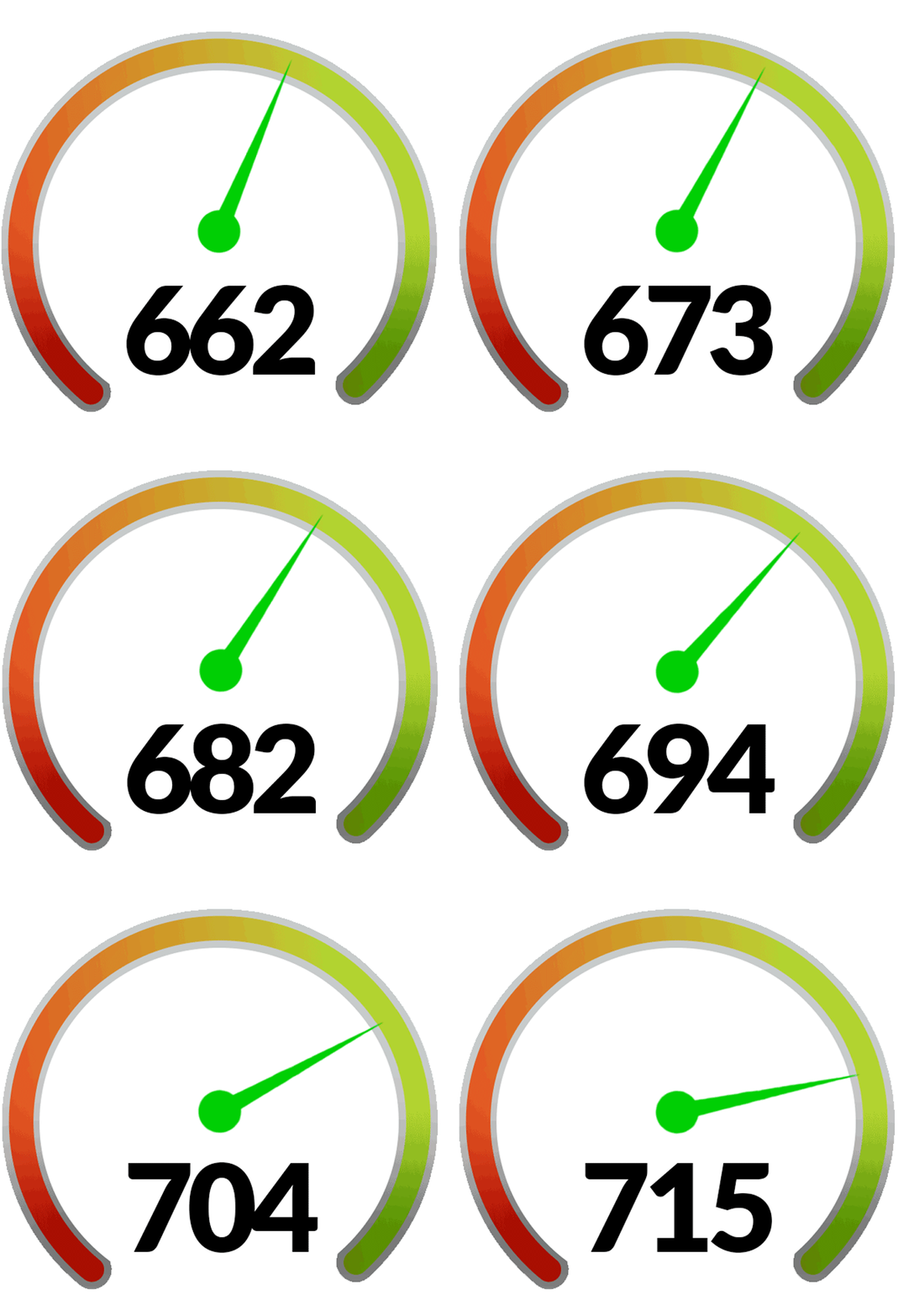
- A good credit score falls within the range of 670-799, showing a lower risk for lenders compared to lower scores.
- Individuals with scores in this range may still qualify for favorable loan terms, but not the absolute best available.
- To improve a good credit score, focus on paying bills on time, reducing debt, and checking your credit report regularly for errors.
Fair Credit Score (580-669)
- A fair credit score falls within the range of 580-669, indicating a higher risk for lenders.
- Individuals with scores in this range may have more limited options and may face higher interest rates on loans.
- To boost a fair credit score, work on paying off outstanding debts, reducing credit card balances, and avoiding new credit applications unless necessary.
Poor Credit Score (300-579)
- A poor credit score falls within the range of 300-579, representing a high risk for lenders.
- Individuals with scores in this range may struggle to obtain credit or may face very high interest rates.
- To improve a poor credit score, focus on paying bills on time, reducing debt, and consider working with a credit counselor or financial advisor for guidance.
Importance of Payment History
Paying your bills on time is crucial for maintaining a good credit score. Your payment history makes up a significant portion of your FICO score, so it is essential to understand how it impacts your overall creditworthiness.
Benefits of On-time Payments
- On-time payments show lenders that you are a responsible borrower, which can lead to a higher credit score.
- Consistently making payments on time can help you qualify for better interest rates on loans and credit cards.
- Improving your payment history can demonstrate financial stability to potential lenders.
Effects of Late Payments or Defaults
- Late payments can significantly lower your credit score and stay on your credit report for up to seven years.
- Defaulting on a loan or credit card can have a severe impact on your credit score and make it challenging to borrow in the future.
- A history of late payments or defaults can signal to lenders that you may be a high-risk borrower, leading to higher interest rates or outright denials of credit.
Utilization of Credit
When it comes to your FICO credit score, one crucial factor to consider is your credit utilization ratio. This ratio measures how much of your available credit you are using at any given time and plays a significant role in determining your credit score.
How Credit Utilization Ratio Affects the FICO Credit Score
Your credit utilization ratio is calculated by dividing the total amount of credit you are currently using by the total amount of credit available to you. A lower credit utilization ratio is generally considered favorable and can positively impact your FICO credit score. High credit utilization can indicate financial strain and may result in a lower credit score.
Best Practices for Maintaining a Healthy Credit Utilization Ratio
- Aim to keep your credit utilization ratio below 30% to demonstrate responsible credit management.
- Regularly monitor your credit card balances and make timely payments to avoid high utilization.
- If possible, pay off your credit card balances in full each month to keep your ratio low.
- Consider requesting a credit limit increase to lower your utilization ratio, but be cautious not to increase spending.
Consequences of High Credit Utilization on the Credit Score
High credit utilization can have negative consequences on your credit score, potentially leading to a decrease in your FICO score. Lenders may view high utilization as a risk indicator, affecting your ability to secure new credit or loans at favorable terms. It is essential to manage your credit utilization carefully to maintain a healthy credit score.
Length of Credit History
Establishing and maintaining a positive credit history is essential for a good FICO credit score. One crucial factor in this process is the length of your credit history. Lenders look at how long you have been using credit to determine your creditworthiness. A longer credit history can demonstrate your ability to manage credit responsibly over time.
Importance of Length of Credit History
- Longer credit history indicates experience with managing credit responsibly.
- It provides a better picture of your financial behavior and patterns over time.
- Lenders prefer borrowers with a longer credit history as it shows stability and reliability.
Tips to Establish and Maintain a Positive Credit History
- Start by opening a credit account early, even if it’s a small one.
- Make timely payments on all your credit accounts to build a positive payment history.
- Avoid closing old credit accounts as they contribute to the length of your credit history.
- Keep your credit utilization low and only apply for new credit when necessary.
Average Age of Accounts and Credit Score
The average age of your credit accounts is calculated by taking the sum of the ages of all your accounts and dividing it by the total number of accounts. This average age is an important factor in determining your credit score.
Average Age of Accounts = (Sum of Ages of all Accounts) / (Total Number of Accounts)
Maintaining a longer average age of accounts can have a positive impact on your credit score, as it shows a history of responsible credit management and financial stability.
Types of Credit Accounts
When it comes to your FICO credit score, the types of credit accounts you have play a significant role in determining your overall creditworthiness. Having a diverse credit mix can positively impact your score, showcasing your ability to manage different types of credit responsibly.
Installment Loans
Installment loans, such as auto loans or personal loans, involve borrowing a specific amount of money and repaying it in fixed monthly installments over a set period. Making timely payments on installment loans can demonstrate your ability to handle long-term debt responsibly.
Credit Cards
Credit cards are revolving credit accounts that allow you to borrow up to a certain limit and make payments based on your outstanding balance. Maintaining a low credit utilization ratio on your credit cards and making on-time payments can have a positive impact on your credit score.
Mortgages
Mortgages are long-term loans used to finance the purchase of a home. Having a mortgage on your credit report can demonstrate your ability to handle a significant amount of debt responsibly. Making timely mortgage payments is crucial for maintaining a positive credit score.
Credit Inquiries and New Credit
When it comes to managing your FICO credit score, understanding the impact of credit inquiries and new credit applications is crucial. Let’s delve into how these factors can influence your credit score and what strategies you can employ to navigate them effectively.
Effects of Credit Inquiries on FICO Score
When you apply for new credit, a hard inquiry is typically generated on your credit report. Multiple hard inquiries within a short period can have a negative impact on your FICO score. Each inquiry can lower your score by a few points, so it’s essential to be mindful of how often you apply for new credit.
Impact of Applying for New Credit
Applying for new credit can impact your credit score in various ways. Opening new credit accounts can lower the average age of your credit history, which may negatively affect your score. Additionally, taking on more debt through new credit can increase your credit utilization ratio, another factor that can lower your score.
Strategies for Managing Credit Inquiries and New Credit
- Be selective about applying for new credit and only do so when necessary to avoid unnecessary inquiries.
- Consider consolidating multiple inquiries from the same type of lender into one inquiry through rate shopping, especially for mortgages or auto loans.
- Monitor your credit report regularly to ensure accuracy and address any discrepancies promptly.
- Focus on maintaining a healthy credit mix and utilization ratio to offset any potential negative effects of new credit applications.
Strategies for Improving FICO Credit Score
Improving your FICO credit score is crucial for better financial opportunities and lower interest rates. Here are some actionable tips to boost a low FICO credit score and build credit responsibly.
Regular Credit Monitoring and Reporting Errors
Regularly monitoring your credit report allows you to spot any errors or fraudulent activities that may be impacting your credit score negatively. By reporting and correcting these errors promptly, you can improve your credit score over time.
Building Credit Responsibly
Building credit responsibly involves making timely payments, keeping credit card balances low, and avoiding opening multiple new credit accounts at once. By demonstrating responsible credit behavior, you can gradually improve your FICO credit score.
Impact of FICO Credit Score on Financial Opportunities
Having a good FICO credit score can significantly enhance various financial opportunities for individuals. Lenders, landlords, and even potential employers often use FICO scores as a key factor in their decision-making processes. A high credit score can lead to better loan terms, increased rental options, and improved job prospects.
Enhanced Loan Terms
- Lenders are more likely to offer individuals with high credit scores lower interest rates on loans, saving them money in the long run.
- Borrowers with good credit scores may also have access to higher loan amounts, allowing them to make larger purchases or investments.
Expanded Rental Options
- Landlords often look at credit scores to assess a potential tenant’s financial responsibility. A high credit score can open up more rental options as landlords prefer tenants with good credit.
- A good credit score may also lead to lower security deposits or more favorable lease terms, providing renters with greater flexibility.
Improved Job Prospects
- Employers in certain industries may check an individual’s credit score as part of the hiring process to gauge financial responsibility and trustworthiness.
- Candidates with high credit scores may be viewed more favorably by employers, potentially leading to better job opportunities or promotions.
Wrap-Up
In conclusion, your FICO credit score is more than just a number—it’s a key to unlocking various financial opportunities. Remember to monitor your score regularly and make informed decisions to secure a stable financial future.

Hi, I’m Lauren. As a digital enthusiast and storyteller, I love breaking down complex ideas into easy-to-read articles. My goal is to provide readers with fresh perspectives and helpful solutions through every piece I write.